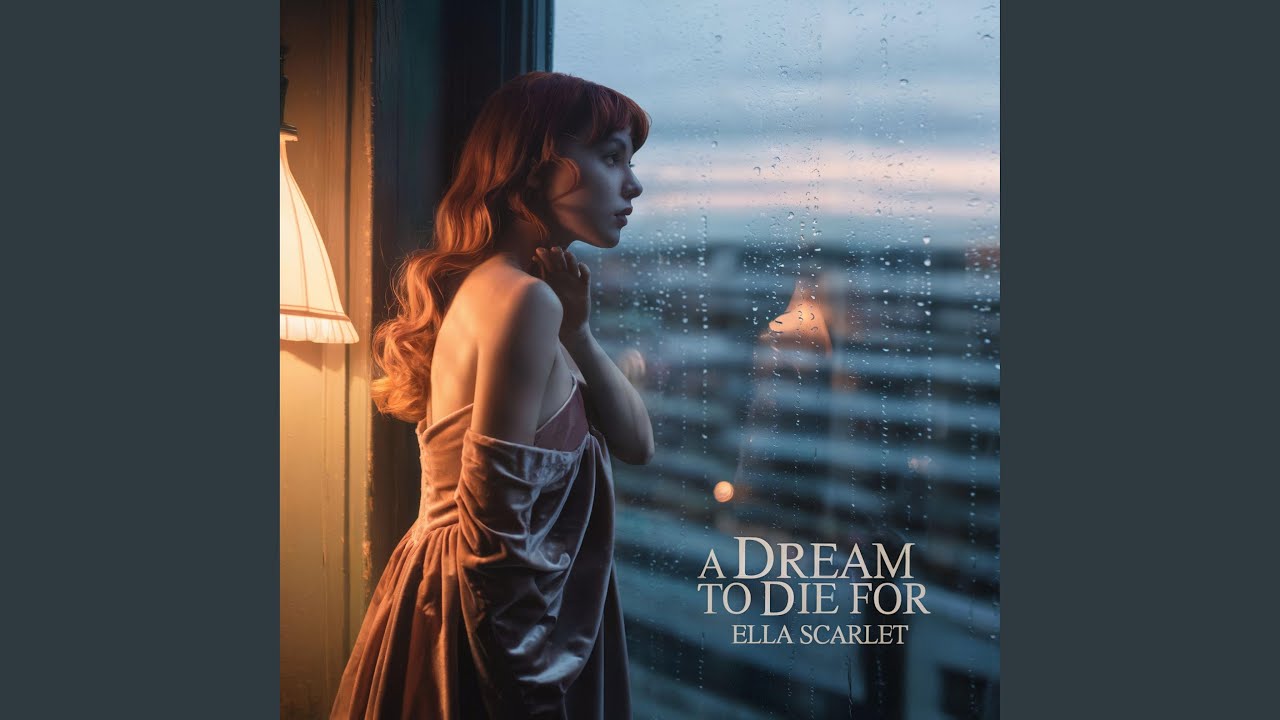
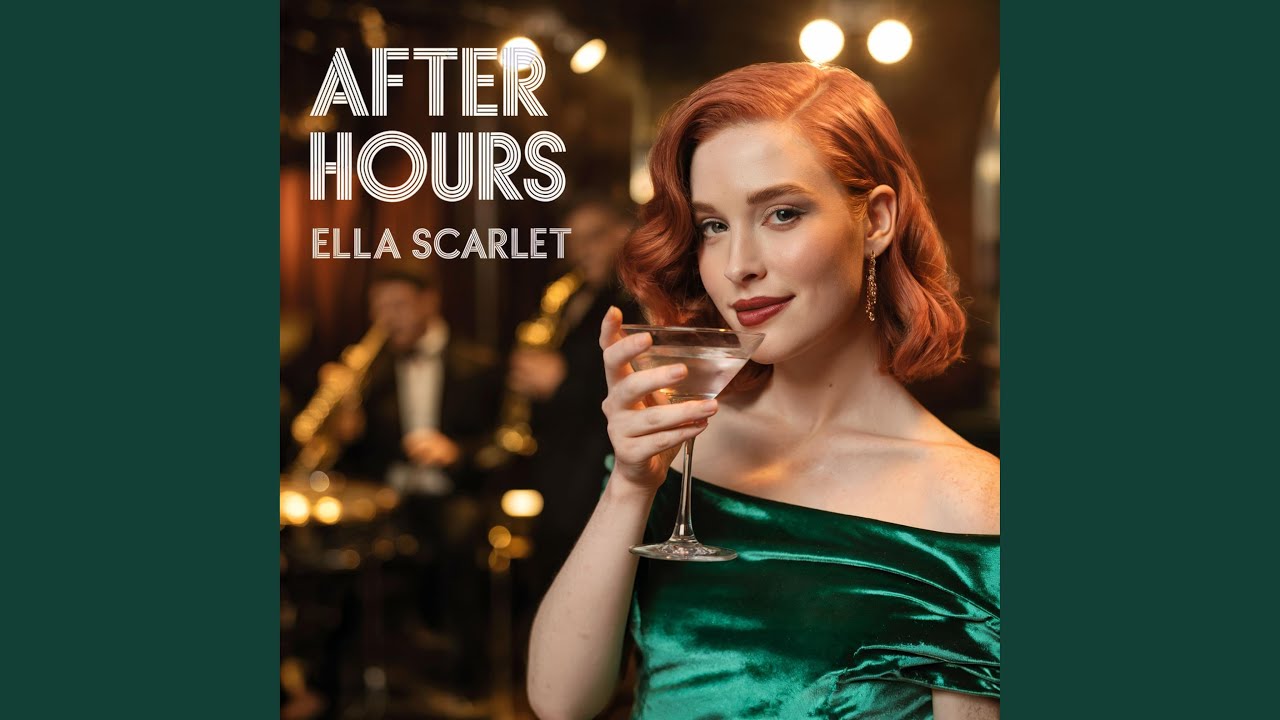
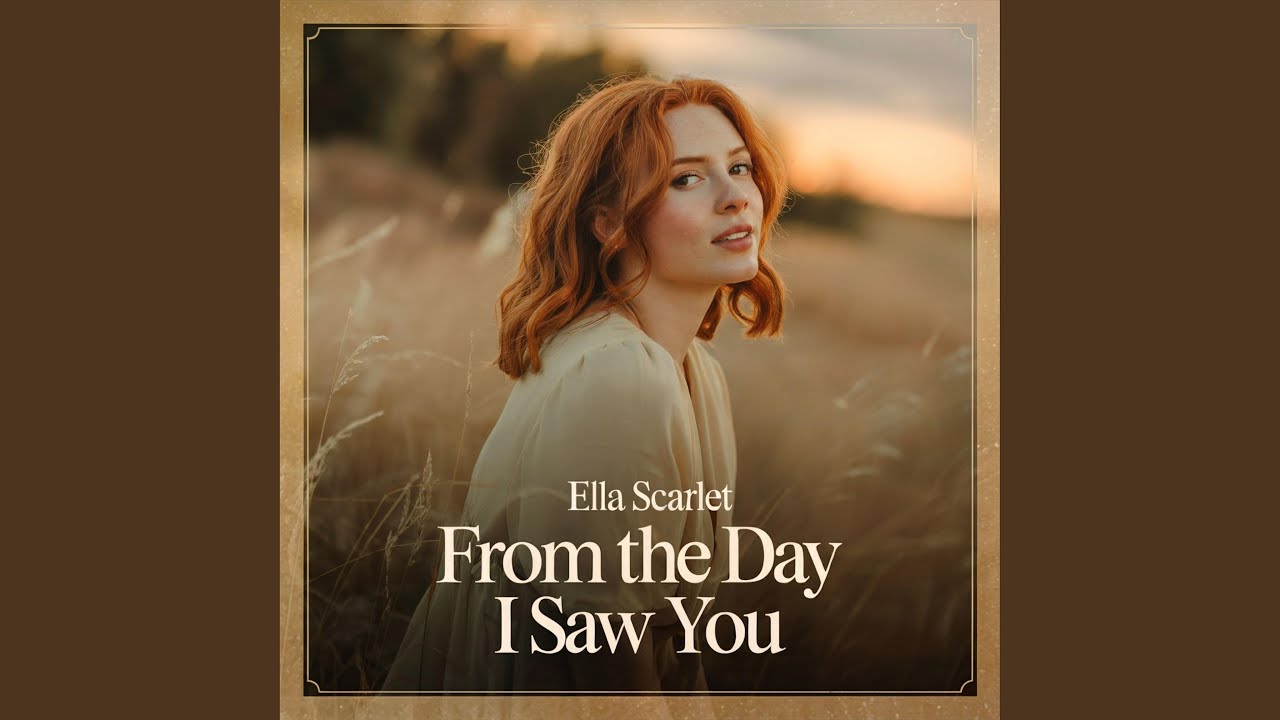
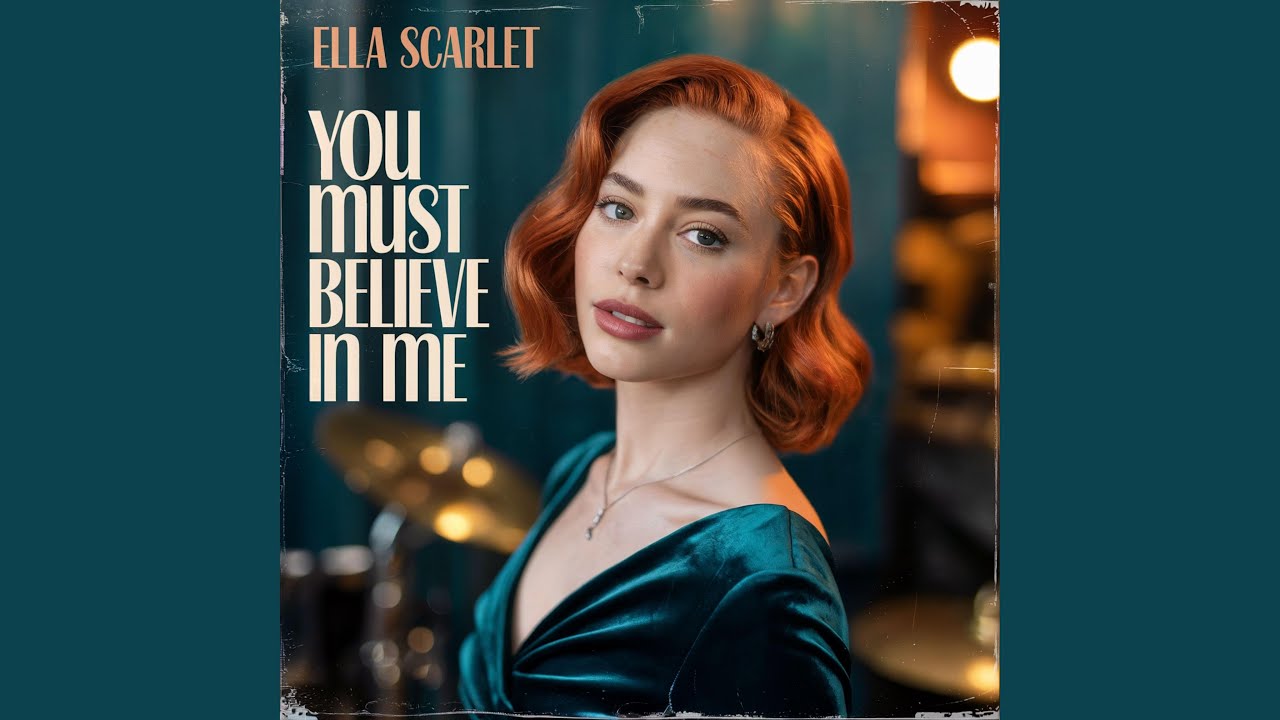
“A New York City Love Story” — Ella Scarlet’s Velvet-Hour Portrait Of Romance
A Skyline Overture At Candlelight
There are love songs, there are jazz ballads, and then there are those rare moments when a voice seems to dim the room lights, hush the traffic far below the window, and pull two people a little closer on the couch. Ella Scarlet’s “A New York City Love Story” is one of those moments. It is romantic jazz in the classic sense—soft, unhurried, tender—but it is also unmistakably contemporary, recorded with an intimate microphone technique and presented with a hi-fi sheen that lets every brushed snare, every warm upright bass resonance, and every soft piano voicing hover in space like wisps of starlight. This is candlelight jazz for an era that wants both authenticity and modern clarity, a torch song in spirit that plays as a modern classic, wrapped in analog warmth and refined mixing choices that reward the headphones as much as the living room speakers.
From the first bars, the tune announces its tempo with a calm heart and an elegant pulse, a slow swing that invites breathing room. The drums whisper more than they speak, gently stroking the ride cymbal while the snare murmurs under brushes. The double bass folds into the low end with a woody, haloed tone that says “small combo jazz” and “intimate club session” even if you happen to be in a quiet apartment miles from any piano bar. A late-evening piano lays out soft arpeggios and plush chords with tasteful dynamics, and a lyrical saxophone waits like a city streetlight at the corner, patient and warm. The soundstage is spacious without being distant; it feels like a boutique production engineered to sound natural, a modern indie jazz record that nods to vintage microphone capture and tasteful compression, in service of a vocalist who commands attention through softness rather than volume.
The Voice That Softens The Night
Ella Scarlet sings like she knows the room, like she can feel the hush ripple across the tables as the first line lands. Her is a velvet voice, centered and confident, with a breathy intimacy that never turns vague. You hear the consonants, you feel the vowels, you taste that ever-so-slight expressive vibrato that arrives at the end of a phrase just when your chest needs to exhale. The phrasing is behind the beat in the way that the best slow jazz vocals are—just a slip of late arrival, the slow burn romance of a singer who understands that restraint is a kind of flirtation. The legato lines glide like moonlight across the East River, and the close-mic vocals pull you a few inches nearer, as if the story could be whispered straight into your ear.
Scarlet’s register sits in a warm mezzo zone with occasional velvet soprano shimmer, and her ability to taper a note into the hush of a brushed cymbal is a small miracle of control. She explores the melody with soft harmonies tucked beneath the main line, letting the chords bloom under her like city lights across a dark avenue. The effect is cinematic jazz without any excess—more noir jazz glow than Broadway glare, more dusky jazz sigh than show tune swing. It’s refined, sophisticated, and unabashedly romantic. You can set a table by this voice, you can slow dance in the kitchen, you can watch rain at the window and feel seen.
The Song As Story: A Walk Through The City’s Heart
“A New York City Love Story” is not simply a setting; it is the spine of the lyric. The song understands that romance in New York is a collage of small particulars: the hush after a taxi door closes, the steam curling from a subway grate on a winter night, a wine bar’s low lamps, the quiet chatter in a piano bar, a stolen kiss beneath an awning while rain skims the sidewalk. The lyric moves like a nighttime stroll, linking neighborhoods with the ease of a couple who’ve walked this route before. There’s a hint of Parisian jazz night at a corner café, a trace of London lounge jazz cool in the refined turns of phrase, and a whole lot of New York midnight jazz in the way the details land—skyline jazz reflections in a puddle near Bryant Park, an elevator lobby echo in a boutique hotel, the hush of a gallery opening where the music hums like warm reverb in a high ceiling.
Scarlet’s narrator tells a tender confession, an intimate love lyric grounded in the humility of real daily time. It is a quiet promise captured in verse, a serenade at midnight that remembers lovers are rarely in grand ballrooms; more often, they are holding hands on a walk after dinner, or swaying near the stove while the pasta water hums, or pouring tea during a weeknight wind-down. The song brings a readerly calm to those moments, an elegant slow jam jazz sensibility that says love is not merely fireworks but the steady glow of streetlamps on a familiar block. It’s narrative jazz at its gentlest: a storyteller vocal framing the city as a companion, the lyrics sketching dusky lounge vibes and soft light jazz scenes where affection doesn’t shout so much as it lingers.
Arrangement: Soft Groove, Gentle Swing, Timeless Taste
The arrangement is simplicity as sophistication. The piano sets the tone with late-evening chords voiced in plush, close intervals, the kind that give a sense of depth without ever demanding attention. The upright bass is eloquent in economy, choosing notes with the deliberateness of a lover choosing words. The drums are all about the brush—a brushed snare that swirls like a quiet raincoat and a soft ride cymbal that glints like city lights caught in motion. A muted trumpet arrives in a middle chorus, an expressive trumpet voice that doesn’t attempt to dazzle but to companion the lyric, answering lines with breezy filigree and stepping back as soon as the vocal wants the space. Later, a tender sax ballad solo coaxes the melody with blues-kissed inflections, bending notes in a way that conjures a late night jazz bar where candles burn low and time stretches. Each solo is short, lyrical, and eminently singable; it feels like the players have agreed that the song, not the soloist, is the star.
Guitar, when it appears, is nylon-string softness, barely above a whisper, outlining soft arpeggios that add shimmer to the harmonic fabric. You can almost see the player sitting slightly back from the mic to keep the transient attack gentle, fingertips coaxing rather than plucking. The rhythm section lays a pocket so calm you could set a cup of coffee on it, the kind of gentle swing that nudges a listener into sway music—two steps left, two steps right, slow dance jazz measured in breaths. Nothing breaks the spell because nothing needs to. This is minimalist jazz done with the courage of restraint, the luxury of space, the confidence that the heart hears better when the room is quiet.
Audiophile Craft: A Spacious Mix And Natural Glow
Part of what makes “A New York City Love Story” so compelling is the production’s boutique meticulousness. The vocal is captured with the kind of intimate mic technique that lets the air between syllables become part of the rhythm. There’s natural reverb rather than syrupy plate, a warm room tone that preserves the small-room jazz sensation. The stereo picture is tasteful and spacious, with piano slightly off to one side, bass anchored and centered, brushes breathing across the field, and horns stepping forward then melting back into the mix. There is dynamic headroom you can feel; the choruses breathe a little wider, the bridge settles a little softer, and nothing is squashed into flatness. The compression is there, but it’s as delicate as a hand on a shoulder, keeping the performance close while never choking the transient life out of it.
Play it on premium headphones and you hear the grace notes—a soft inhale before the second verse, the cymbal bell kissed with the lightest tap, the bass string sliding half a tone as the player leans into a note. Play it on a living room system and the natural reverb drapes the space, turning an ordinary evening into a candlelit ambience with almost no effort. This is headphone-friendly jazz that also blooms through soft speakers, a refined easy listening experience that proves “easy” doesn’t mean “simplistic.” It means everything is tuned toward relaxation, stress relief jazz that calms the nervous system while stimulating the imagination.
The City As Instrument: Atmosphere And Ambience
New York itself becomes a second instrument in the track, or perhaps a room tone of the mind. The lyric glances at landmarks without name-dropping, preferring textures to tourist lists: a starlight jazz glimmer on a rooftop, a rainy night jazz hush near a taxi queue, the quiet buzz of a hotel lobby jazz hour when the bartender is polishing stemware and someone laughs softly two seats away. You feel the city lights jazz shimmer reflected in puddles, the noir jazz shadow in the narrow cross streets, the city at night soundtrack in the rhythm of crosswalk signals. It’s unmistakably a New York midnight jazz tableau, but it is also universal because it pays attention to moments—eye contact across a small table, a gentle brush of a hand against a coat sleeve, the second before a kiss in the doorway while a key lingers in the lock.
Scarlet’s delivery respects that atmosphere. She does not oversell the story; she softens into it, letting ambient vocal jazz sensibilities color the vowels. This is contemporary croon with modern production, an adult contemporary jazz touch that will feel at home in a boutique hotel playlist and, more importantly, in an apartment where two people are making dinner on a Thursday and want the evening to feel like a special secret. It is quiet storm jazz vocal energy minus the bombast, all subtle jazz and tasteful dynamics, a gentle nocturne bathed in soft harmonies and lush chords.
Emotional Arc: From Window Light To Firelight
Although the tempo never hurries, the emotional arc shifts and deepens. The first verse is all about arrival—opening the door to the evening, shaking off the day, letting the room change the breath. The first chorus builds like a soft tide, the chords widening, the vocal shading in that expressive vibrato as if the city itself had just drawn a circle around the couple and whispered, “Stay.” The second verse leans into confession: not melodrama, but that tender promise that makes ordinary sentences glow. The bridge is a hush. The band thins, the bass walks even more sparsely, piano becomes nearly a whisper, and the vocal floats atop a narrow beam of harmony. This is where you’d swear the room gets warmer by a degree. Then the muted trumpet steps in for barely eight bars, a little half-smile of melody that returns the narrator to the final chorus with the assurance of answered longing.
By the outro, the saxophone offers a last lullaby, a lyrical saxophone line that rises and dissolves like steam into winter air. The drums draw soft circles with brushes; the ride cymbal tings once, like a light clicked off in a bedroom down the hall. The piano sketches one last late-evening cadence, and the song settles on a consonance that feels like a hand held a second longer than strictly necessary. It’s an elegant ending, a sophisticated jazz choice that refuses spectacle in favor of lingering warmth. You don’t clap here; you exhale, and maybe you tilt your head onto a shoulder.
Context And Continuity: The Ella Scarlet Aesthetic
Listeners who met Ella Scarlet through earlier romantic ballads will recognize the signature—smooth romantic vocals, analog warmth, and arrangements that prioritize intimacy over grandstanding. She is a contemporary jazz singer who knows her lineage—jazz chanteuse tradition, female crooner vibes, the torch song line extending from smoky club vibe to modern studio nuance—yet she leans toward the present tense, engineering decisions that keep the sound hi-fi and the phrasing conversational. The result is adult contemporary jazz that never condescends to the listener, romantic easy listening that still rewards close attention, a blend of cozy jazz and refined jazz that makes sense in a lounge, a living room, a hotel cocktail hour, or a private anniversary dinner.
“A New York City Love Story” extends this aesthetic into city lights jazz, the urban nocturne palette that flatters her voice especially well. It’s not hard to imagine this song placed in a film scene—a cab gliding along the river, a couple crossing a bridge, a window where two silhouettes curl into a couch while the skyline hums its electric lullaby. It would be a romantic soundtrack cue that subtly raises the heartbeat without tilting the frame. It would be a boutique retail playlist track that makes a shopper slow their steps, a bookshop jazz selection that causes someone to rest a palm on the spine a little longer, a hotel cocktail hour standard that makes the ice in a glass sound like part of the arrangement.
Musical Details That Reward Repeat Listening
One of the triumphs of the recording is how much it reveals on a second and third listen. The first time through, it is the mood that captures—the cozy evening music, the gentle swing, the tranquil jazz hum. But listen again and you notice the piano’s voicing choices, those lush chords that use added tones for color without ever cluttering the line. You hear the bass player’s micro-slides into target notes, the choices that make the lines sing rather than simply accompany. You notice the brushed cymbals flickering in the stereo field, the soft ride cymbal ping settled just low enough to avoid glare while still offering a glow to hang the tempo on. You catch the horn soloist’s restraint, the way the melody paraphrases the vocal line instead of trying to outshine it.
Even the mix is full of intentionality. There is tasteful compression on the master but the dynamic headroom breathes; you feel the choruses widen, you feel the bridge settle, you feel the vocal sit forward when the lyric needs confession and tuck back slightly when the band steps forward. The natural reverb tail is long enough to kiss the next phrase but short enough to leave detail untouched. The stereo width is spacious but not gimmicky, a refined mixing decision that privileges realism over spectacle. All of this contributes to that audiophile vocal jazz sense that you’re in the room, that the hi-fi gear you bought was worth it, that the music is not just background but also not a bully. It’s companionable, a generous presence that lets the evening be about you even as it deepens the atmosphere.
Thematic Resonance: Why This Ballad Matters Now
In an era of constant alerts and restless playlists, “A New York City Love Story” chooses slowness. It chooses the soft groove. It chooses low-tempo ballad pacing—call it 60 to 70 bpm jazz—so a couple can slow dance in the kitchen, so a reader can sink into a chair with a novel, so a writer can watch sentences arrive like streetcars. This is unwind jazz that values the nervous system as much as the ear, relaxation jazz that quiets the chatter so attention can settle on what matters. In that sense, the track is not merely soothing; it’s humane. It argues for tenderness as a strategy, for intimacy as an aesthetic, for elegance as a form of generosity.
That might be why the song hits so many use cases with such grace. It is date night jazz without cliché, romantic dinner jazz without syrup, wine bar jazz without pretense, evening lounge music without anonymity. It’s suitable for anniversary dinner music, proposal soundtrack, honeymoon evening music, even first dance jazz if a couple wants something understated and timeless. It works as spa jazz or massage jazz for those who prefer their calm with melody. It’s self-care jazz, the kind that pairs with tea and a blanket and rain against the window. It’s study jazz that clears space without dulling the mind, reading jazz that settles the room, writing jazz that steadies the hand. It can be Sunday night jazz when the weekend exhales, or weeknight wind-down when the day needs to be tucked away with dignity.
Lyrical Glimpses: Candles, Corners, Confessions
Scarlet’s lyric writing leans toward poetic clarity. She avoids the temptation to stack metaphors; instead, she chooses one image per line and gives it room. A candle’s flame tipping in a draft as a door clicks latch. Shoes left by the mat, city salt still dusting the leather. A turn toward a window, the skyline resting like a long sentence you don’t have to finish. A confession spoken softly, a line that lands on a descending fifth like a head finding a shoulder. The chorus offers a gentle refrain, the kind that could be embroidered on memory, a promise of everyday tenderness rather than a pledge of extravagant spectacle. If there’s a bridge, it is a narrowing—fewer words, more vowels, a melodic line that lengthens like the shadow of a lamppost.
This lyric is not made for the glare of noon; it is a moonlit jazz voice, a hushed ballad, a quiet confession built for after hours jazz. It understands that love is a practice, not merely an event, and it writes about that practice with a calm that feels like blessing. There is no melodrama here, and so the emotion lands more fully. The city is the frame; the lovers are the painting; the song is the light that makes the colors honest.
Performance Chemistry: The Band As Conversationalists
Part of the reason “A New York City Love Story” feels so alive is the chemistry of the ensemble. The players are listeners first. The pianist gives the vocalist space and then paints in the margins, a little upper-structure voicing here, a filigree of arpeggio there, never crowding the lyric. The bassist locks with the drummer’s brushes, building a gentle swing that breathes; when the vocal leans back, the bass leans back a hair more, keeping the pocket patient. The drummer is a master of restraint, flicking the ride like moonbeam jazz and shading the snare with brushed circling that feels as natural as breathing. The horns arrive like guests who know to ring once and wait; they add color, hum a reply, then step out of the frame just as the vocal draws breath.
This is small combo jazz at its best, a jazz trio ballad or jazz quartet ballad that builds a room and then invites the listener inside. You can hear the musicians’ awareness of narrative, how they lift the second chorus just enough to feel like the room warmed, how they slip the bridge into softer shades, how they let the coda dissolve into candlelit ambience rather than sign off with a flourish. It is tasteful, understated, sophisticated—luxe lounge jazz that values conversation over monologue.
Production Values: Boutique Decisions, Big Payoff
The production choices speak to a team that cares about detail. The vocal mic is clearly chosen for close-up jazz vocal capture—intimate female vocal proximity effect without muddiness, smooth legato lines preserved with clarity. The preamp adds a touch of analog warmth; the converter is honest. The piano sits where it should, present but not clangy; the bass fundamental is round but not bloated; the high frequencies are silky, the sibilants controlled without dulling the diction. The reverb might be a real room, or a convincingly natural algorithm; it breathes like air rather than glitter. The EQ carves space, the compression kisses transients, the overall picture is refined mixing in service of story. If you’ve ever prized a spacious stereo image that puts you three seats from the stage, this is your song.
These decisions matter because they reinforce the song’s thesis. This is not performance for spectacle; this is presence for intimacy. You can lean in, you can lean back, and the music stays with you, not on top of you. It makes a living room feel like a speakeasy jazz nook, a bedroom feel like a boutique hotel playlist moment, a dinner table feel like a supper club jazz evening where the clink of silverware seems somehow percussive rather than intrusive. The production is the unseen host, making sure every guest is lit well and seated comfortably.
Cultural Placement: Timeless Yet Timely
“A New York City Love Story” lives in a lineage that values the torch song not as self-pity but as devotion to tone. It is ballad jazz, yes, but it sidesteps the maudlin by staying grounded in the tangible—light, breath, texture, proximity. It feels like a tune that could sit next to modern standards style ballads on any platform—Spotify romantic jazz, Apple Music slow jazz, Amazon Music easy listening, YouTube Music soft jazz—and belong. It has the contemporary vocal jazz polish that streaming listeners expect while holding onto the organic instrumentation that audiophile evenings crave. It belongs on a couple’s playlist for an anniversary dinner, on a late night love playlist for the ride home across a bridge, on a quiet evening love playlist for the book you’ve meant to finish, on a candlelight love playlist for when you want to say “stay” without saying anything at all.
For venues, it is boutique hotel playlist gold. For curators, it is romantic background music that earns foreground attention when someone pauses and asks, “Who is this?” For DJs who spin supper club sets and upscale dinner music, it is a sophisticated date soundtrack anchor, the calm pool in the middle of the night. For music supervisors, it’s the romantic soundtrack cue that doesn’t tell the audience what to feel so much as remind them how to breathe. For the couple planning a wedding dinner, it is the refined romantic song that lets grandparents smile and friends sway and the two of you look at each other and think, this is exactly our speed.
The Listener’s Experience: Use Cases And Moments
Imagine the first cold evening of autumn, leaves gathering near a curb, a lamplight catching the edges of a coat as you step inside with a bottle under your arm. “A New York City Love Story” starts as the lights dim. The room doesn’t change, but it feels changed. The piano eases the day off your shoulders. The bass rearranges your pulse. The voice speaks soft as a promise. You set plates. You pour a glass. You stir something on the stove, tasting, turning, swaying a little without thinking. The chorus arrives as you bring the napkins to the table, and the muted trumpet sketches a smile across the air. You talk less and say more. You eat slowly. You talk a little more. You laugh. You dance in the kitchen—slow dance jazz measured in four or five steps, a pivot near the sink, a kiss over the burner you just turned off.
Or imagine a rainy Friday late afternoon, the city’s edges gone soft. You’re on a night drive across the river, wipers brushing time, the skyline floating like a thought you trust. The track slides into the car like a warm scarf. The vocal sits where conversation would normally sit, and suddenly the silence is not empty but companionable. You park and leave it on for thirty seconds just to let the outro find its quiet. Or imagine a midnight when sleep will not come but worry is not invited; you light one candle, open a book, let the song turn the room into a gentle nocturne, a moonbeam jazz halo around your breathing.
These are not fantasies; they’re invitations embedded in the choices of tempo, harmony, phrasing, and tone. This is music for quiet moments, for mindfulness without the new-age glaze, for self-care that remembers art is a balm. It’s elegant evening playlist material, yes, but it’s also a small act of mercy, a reset button that doesn’t nag at you to become someone else. It meets you where you are and softens the edges.
Musicianship: Virtuosity As Service
One of the quiet revelations of the performance is how much virtuosity hides inside modesty. The drummer’s brushwork would fall apart in clumsier hands; the circles, the swishes, the feathered accents on the “and” of two, the microdecisions about when to kiss the cymbal bell—this is advanced listening translated into minimal motion. The bassist’s intonation and time feel are exemplary; the notes bloom and decay with perfect proportion, and the pocket is so steady you’d think it was easy until you try to do it. The pianist’s control of voicing is its own discipline; the chord choices give a cool jazz vibes glow without crowding the midrange, and the left hand supports rather than competes with the bass. The horn players are models of brevity and melody. They resist the urge to prove anything, and in doing so, they prove everything that matters.
Ella Scarlet, at the center, makes artistry look like grace. There are no acrobatics for their own sake; there is breath, diction, color, legato, phrasing, dynamics—all calibrated to serve meaning. Her whisper vocals are not affect but textural nuance, her breathy vocals not a trick but an expressive decision, her behind-the-beat phrasing not laziness but a conversation with the groove. She sings like someone who knows why a person would put on a record at 11:30pm and dim the lights. She sings like someone who believes in the quiet kiss of a line well-shaped. It’s refined, and it’s human.
Why The Title Works: Specificity With Open Arms
“A New York City Love Story” is a title that risks cliché if approached with a postcard’s palette. This song avoids that by focusing on micro-moments that invite any city’s echo. Yes, there is skyline jazz, there are riverfront jazz reflections, there is a quiet apartment jazz heartbeat you can sense through the walls. But the real romance is in two chairs pulled closer, in the porch of light that two bodies create by standing near. The city is the frame because it can hold many faces; the love story is the art because it is always, necessarily, particular. That balance—specific atmosphere, universal instinct—makes the song larger than its minutes. It is New York midnight jazz, but it is also Stockholm winter fireplace jazz, London lounge jazz on a drizzly evening, Parisian jazz night in a left-bank room, coastal evening jazz where fog drifts in like news that doesn’t require a response. The title welcomes you in; the song makes sure you stay.
Practical Magic: Programming The Song Into Your Life
If you are a playlist maker, this track is a hinge—place it where you want the evening to settle into intimacy. It follows a bossa-tinged ballad beautifully and leads into a soul-tinged jazz piece without friction. It softens the transition from dinner conversation to dessert silence. It opens a set for boutique retail at that hour when shoppers come to browse rather than buy, making each glance linger. It sits at the center of a romantic lounge set like a comfortable chair. For Valentine’s jazz programming, it’s your anchor. For anniversary playlist curation, it is the song that says “we still do.” For a dinner party jazz arc, it is the moment the room decides to become one conversation instead of several.
If you are a DJ in an upscale dinner room, the track occupies that perfect 70 bpm jazz valley where time feels like a gift. If you are scoring a short film, it’s your city montage pivot, the cue that makes nighttime look like a promise. If you are a listener in need of self-care, put it on loop for twenty minutes and notice how the breath deepens, how the lights look kinder, how your phone seems less hungry. If you are two people deciding tonight not to talk about logistics, this is your cue. If you are one person writing or reading or just thinking, this is your companion.
The Ballad’s Legacy: Evergreen Without Dust
The best ballads become evergreen not because they are loudly famous but because they are quietly faithful. They return you to yourself each time. “A New York City Love Story” has that quality. It is timeless jazz ballad material without dust, a modern classic jazz rendering that brings analog warmth into contemporary fidelity. You can imagine it aged into a standard in certain circles, the song people request at piano bars and speakeasy jazz hideaways, the chart that lives in a nylon folder with penciled cues about dynamics and horn entrances. You can also imagine it remaining a cult favorite, whispered between couples, linked in text messages at 11pm with an “us?” and the little red heart.
Evergreen romantic jazz requires humility in the writing and integrity in the performance. Scarlet and company offer both. The lines feel inevitable without being predictable; the arrangement feels classic without fossilizing; the recording feels luxurious without being fussy. It is, in a word, graceful.
Closing Reflections: Holding Space For Love
Ultimately, “A New York City Love Story” succeeds because it holds space—for tenderness, for detail, for breath, for the small touch that says I’m here. It refuses the pressure to shout in order to be heard, and in that refusal it becomes easier to hear. It is sophisticated jazz that is not cold, elegant jazz that is not aloof, refined jazz that is not distant. It is cozy evening music that still commands respect, candlelit dinner music that earns the candlelight, romantic lounge music with a human hand at its center. It is a serenade at midnight for those who still believe that the best parts of love are not announcements but invitations.
If you let it, this song will change the shape of your evenings. It will make the kitchen a dance floor, the window a stage, the couch a front-row seat. It will make the city outside feel like a co-conspirator and the room inside feel like a blessing. It will not solve your problems, but it will soften the hour so you can hold each other while you decide what matters next. And on some night, when the rain smudges the skyline and the lamp makes a small pool of gold, Ella Scarlet will sing that line you’ve now heard a dozen times, and you’ll hear it like the first time, and you will understand why the world keeps making love songs. Because, strangely and beautifully, the world keeps making love.
“A New York City Love Story” is the kind of ballad that earns the capital letters in its title. It is both place and promise, both city and confession, both map and kiss. Put it on. Dim the lights. Let the brushes circle. Lean closer. Breathe with it. And if the room seems to warm by a degree, it isn’t the thermostat. It’s the music reminding you that tenderness is a kind of intelligence, that quiet is a kind of courage, and that in a city of a million windows, this one, right now, belongs to the two of you.